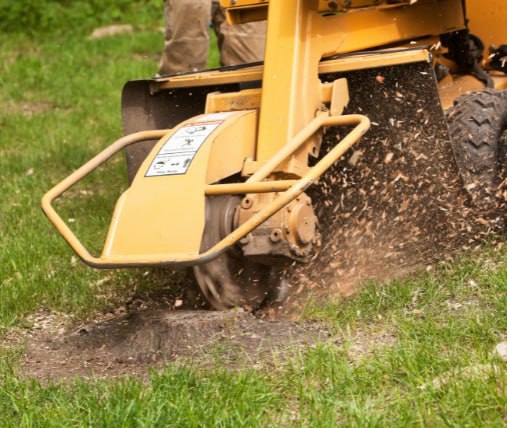
Well-maintained hedges can add structure, privacy and natural beauty to a garden. They also help define boundaries and create a neat appearance around residential and commercial properties. However, without regular attention, hedges can become overgrown, uneven and difficult to manage. Excessive growth may also affect nearby paths, driveways, fences and other garden features.
Knowing when hedges need professional trimming helps keep them healthy, attractive and manageable throughout the year. While light maintenance may be suitable for smaller hedges, larger or heavily overgrown growth often requires specialist equipment and experience. For property owners in Paddock Wood, Kent, recognising the warning signs can help ensure hedges receive the care they need.
Common Signs That Your Hedges Need Attention
Hedges do not all grow at the same rate. Their maintenance requirements depend on the species, age, growing conditions and intended shape. However, several visible changes can indicate that trimming is overdue.
Excessive Growth and Loss of Shape
One of the clearest signs is when a hedge begins to grow beyond its intended height or width. Branches may extend unevenly, the top can become irregular and the overall shape may look untidy.
This can happen when seasonal growth is left unmanaged or when previous trimming has not maintained a consistent outline. Professional hedge trimming can restore a more balanced appearance while keeping the hedge at a suitable size.
Regular attention also makes future maintenance easier, as smaller amounts of growth can be managed before the hedge becomes difficult to control.
Branches Obstructing Paths and Driveways
Hedges that grow over footpaths, driveways or entrances can create practical problems. Overhanging branches may restrict access, catch on vehicles or make narrow walkways uncomfortable to use.
Growth extending towards windows, gates and neighbouring structures can also affect the usability of outdoor spaces. Trimming back these sections helps restore clear access while maintaining the hedge’s overall form.
Where branches have become particularly thick or woody, professional equipment may be needed to achieve a clean and controlled result.
Uneven or Patchy Growth
A healthy hedge should generally have a reasonably consistent appearance, although natural differences between species are normal. Large gaps, uneven sections or areas with sparse foliage may indicate poor growing conditions, unsuitable previous cutting or underlying plant health issues.
Simply cutting the entire hedge more heavily may not resolve the problem. Some species respond well to careful pruning, while others may struggle if older wood is cut back too severely.
A professional assessment can help determine whether trimming, selective pruning or a different approach is more appropriate.
Thick, Woody Branches
As hedges mature, their branches can become thicker and more difficult to manage with ordinary garden tools. If a hedge has been neglected for several growing seasons, it may develop dense woody growth that affects its shape and restricts light from reaching the inner sections.
Professional hedge trimming can help manage this growth, but the correct technique depends on the plant species and its ability to regenerate. Cutting too far into old wood can leave some hedges with bare patches that take a long time to recover.
Reduced Light and Airflow
Dense hedges can become so thick that little light or air reaches their inner branches. This may contribute to dead sections, weak growth and foliage problems, particularly where the hedge is already struggling.
Selective trimming can help improve the structure and encourage healthier growth where appropriate. Maintaining a suitable density also helps prevent the hedge from becoming excessively bulky.
Why Regular Hedge Trimming Is Important
Hedge trimming is not simply about keeping a garden looking tidy. Consistent maintenance helps control growth, preserve the intended shape and prevent branches from becoming difficult to manage.
Trimming at suitable intervals can also encourage denser growth in species that respond well to regular cutting. However, timing matters. Different hedge plants have different growth cycles, and some may be better trimmed during particular seasons to maintain their condition.
Before carrying out significant work, it is important to consider the type of hedge and its current state. This helps avoid unnecessary stress and supports better long-term results.
Why Choose Professional Hedge Trimming?
Professional hedge trimming is particularly useful when hedges are tall, wide, heavily overgrown or difficult to access. Specialist equipment allows experienced tree surgeons to work more efficiently and achieve a consistent finish.
A professional can also assess the hedge before cutting, identify damaged or unsuitable growth and select a trimming approach that considers the plant’s natural growth habit.
For homeowners and businesses in Paddock Wood, Kent, this can make ongoing garden maintenance more manageable while helping hedges remain an attractive feature of the property.
Maintaining Your Hedges Between Professional Visits
Simple maintenance can help keep hedges in better condition between professional trims. Check for uneven growth, damaged branches and sections that are beginning to obstruct access. Watering may also be necessary during prolonged dry periods, particularly for newly planted hedges.
Avoid removing too much growth at once, especially from mature or neglected hedges. If the hedge has become excessively large or developed bare patches, professional advice can help prevent further damage.
Conclusion
Overgrown branches, uneven shapes, restricted access and dense woody growth are all signs that your hedges may need professional attention. Regular trimming helps maintain their appearance, control their size and support healthy development when carried out using suitable techniques.
If your hedges are becoming difficult to manage, PW Tree Surgeons can help with professional hedge trimming in Paddock Wood, Kent. Contact the team to discuss your requirements and arrange a suitable service for your property.
Call us on: 01892 352895
Click here to find out more about PW Tree Surgeons
Click here to complete our contact form and see how we can help with your tree needs.