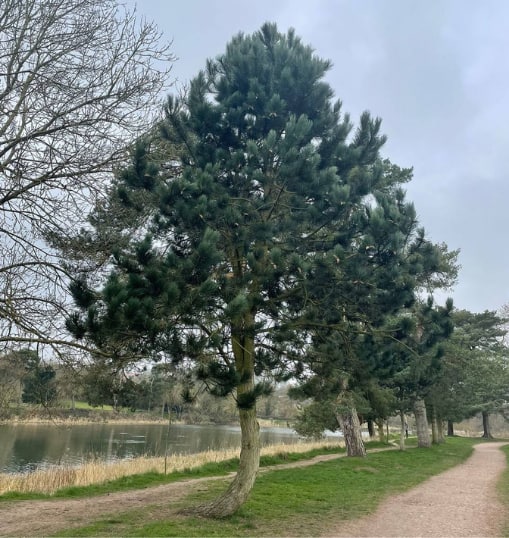
Large, mature trees can be valuable features within a garden, providing character, shade and natural structure to the landscape. However, branches can become weakened by age, poor growth, decay, previous damage or severe weather. Where trees stand close to houses, garages, driveways or other frequently used areas, potentially unstable branches deserve particular attention.
For property owners in Paddock Wood, Kent, professional tree surgery can help identify and manage vulnerable branches before they become more serious concerns. Although no tree can be made completely risk-free, appropriate pruning and ongoing assessment can substantially improve its condition and reduce avoidable hazards.
Why Do Tree Branches Fall?
Branches can fail for many different reasons. Some problems are clearly visible, while others develop gradually and are more difficult to recognise without experience.
Common contributing factors include:
- Dead or dying branches
- Cracks and splits
- Decay within branches
- Weak branch unions
- Previous storm damage
- Excessive end weight
- Poorly balanced growth
- Branches weakened by disease or deterioration
Strong winds and heavy rainfall may ultimately cause a branch to fall, but the underlying weakness can often have existed long before the weather exposes it.
Dead Wood Is an Important Warning Sign
Dead branches no longer have the same living structure as healthy growth. As deterioration progresses, they can become increasingly brittle and may eventually detach from the tree.
Dead wood is particularly concerning where branches extend over:
- Roofs
- Driveways
- Paths
- Garden seating areas
- Entrances
- Frequently used parts of the property
Professional dead wood removal allows identified branches to be carefully removed while retaining healthy parts of the canopy.
Tree Surgery Can Identify Weak Branch Structure
Not every potentially problematic branch is dead.
Some living branches develop weak structural characteristics. Two large stems may grow from a poorly formed union, for example, or a heavy lateral branch may place excessive strain on its attachment point.
An experienced tree surgeon can assess the structure of the canopy and identify areas that may benefit from carefully planned work.
This is one reason professional assessment is valuable: a tree can appear healthy because it has plenty of foliage while still containing individual structural weaknesses.
Crown Reduction Can Reduce Excessive Branch Weight
Where a tree has become particularly large for its surroundings, crown reduction may sometimes be appropriate.
Rather than indiscriminately cutting branches back, professional crown reduction selectively decreases the overall dimensions of the canopy while maintaining a balanced natural form.
Reducing excessive branch length and weight can lessen mechanical stress on particular limbs. The work must be carefully planned, however, because overly severe cutting can damage the tree and encourage undesirable future growth.
Selective Pruning Can Improve Canopy Balance
Trees do not always develop evenly. One side of the canopy may become considerably heavier than another, or individual branches may extend significantly beyond surrounding growth.
Selective pruning can help manage these areas without unnecessarily reducing healthy sections of the tree.
The objective is to create an appropriate balance between:
- Structural condition
- Canopy shape
- Property clearance
- Healthy foliage
- Future growth
Good tree surgery should respond to the individual tree rather than applying the same pruning method in every situation.
Removing Damaged Branches After Severe Weather
Stormy conditions can leave branches cracked, partially detached or hanging within the canopy.
Some damage is obvious from ground level, but other defects can be hidden among dense foliage. A branch may remain attached despite having suffered significant structural damage.
After severe weather, particular attention should be given to trees where there are:
- Newly hanging branches
- Freshly broken limbs
- Visible splits
- Sudden changes in canopy shape
- Fallen branch sections
- Branches resting against other limbs
Professional assessment can determine what work is appropriate.
Clearance Around Buildings Is Also Important
Branches do not necessarily need to be at immediate risk of falling to cause concerns around a property.
Overgrown limbs may begin touching roof coverings, gutters, walls or other structures. Continued movement in windy conditions can then create repeated contact.
Careful tree cutting can establish appropriate clearance between the canopy and the property while retaining as much suitable growth as possible.
Managing this relationship becomes particularly important as mature trees continue increasing in size.
Why Heavy Cutting Is Not the Answer
It can be tempting to assume that removing large quantities of growth will automatically make a tree safer. In reality, excessive pruning can create additional problems.
Poorly planned heavy cutting may:
- Remove too much healthy foliage
- Create large pruning wounds
- Affect the tree’s natural structure
- Encourage dense regrowth
- Leave the canopy poorly balanced
Professional tree surgery aims to remove or reduce specific problematic growth rather than cutting heavily without a clear reason.
Regular Tree Assessments Can Identify Developing Problems
Trees are living structures that continually change. A tree that appeared healthy several years ago may now contain dead wood, damaged branches or changes in its canopy.
Periodic assessment can be particularly useful for mature trees growing close to buildings or frequently used areas.
Signs worth investigating include:
- Increasing amounts of dead wood
- Large broken branches
- Cracks around major branch unions
- Unusual changes in canopy density
- Hanging limbs
- Significant leaning or structural changes
- Branches increasingly extending towards the property
Early identification provides an opportunity to manage concerns before further deterioration occurs.
When Might Tree Removal Be Necessary?
Tree surgery can resolve many branch-related concerns without removing the entire tree. In some circumstances, however, the condition of the whole tree may be significantly compromised.
Where extensive deterioration or serious structural weakness is present, pruning individual branches may not provide an appropriate long-term solution.
A professional assessment should establish whether selective tree surgery can manage the problem or whether more substantial work needs to be considered.
Why Professional Tree Surgery Matters
Working on large trees close to buildings requires knowledge, planning and appropriate equipment. It is not simply a matter of identifying a branch and cutting it off.
The effect of removing that branch on the remaining tree must also be considered.
At PW Tree Surgeons, we provide professional tree surgery services throughout Paddock Wood, Kent. We assess trees individually, considering their condition, structure, surrounding property and existing growth before recommending suitable work.
Whether the requirement involves dead wood removal, selective pruning, crown management or addressing damaged branches, the aim is to manage the tree carefully while retaining healthy growth wherever appropriate.
Conclusion
Professional tree surgery can reduce the risk of branches falling onto a property by identifying dead, damaged, structurally weak or excessively heavy growth and dealing with it appropriately. Selective pruning, dead wood removal and carefully planned crown management can all play a role, depending on the condition of the individual tree.
The important point is that tree safety cannot be judged simply by how green or attractive the canopy appears. Structural weaknesses can develop gradually, making professional assessment particularly valuable for mature trees situated close to buildings and frequently used areas.
For property owners in Paddock Wood, Kent, PW Tree Surgeons can assess trees that are causing concern and recommend suitable tree surgery based on their condition. If you have noticed dead branches, storm damage, excessive overhang or changes in a tree’s structure, arranging professional attention can help manage the problem before vulnerable branches have the opportunity to cause further concerns.
Call us on: 01892 352895
Click here to find out more about PW Tree Surgeons
Click here to complete our contact form and see how we can help with your tree needs.